The question of age-related changes in facial ligaments was long thought to be answered. Facial ligaments were believed to age and elongate, contributing to facial sagging, soft-tissue laxity, and the downward descent of soft tissues.
However, with increased knowledge of the precise anatomic location of facial ligaments, voices became louder doubting this concept. Suddenly, the theory of age-related ligament laxity was questioned, and it was hypothesized that the soft tissues around the ligaments increase in laxity and descend but the ligaments themselves remain stable.
To better understand these voices (of which I was one of), here is some background information:
Putting all of the above together here is a picture analysis of a mature female:
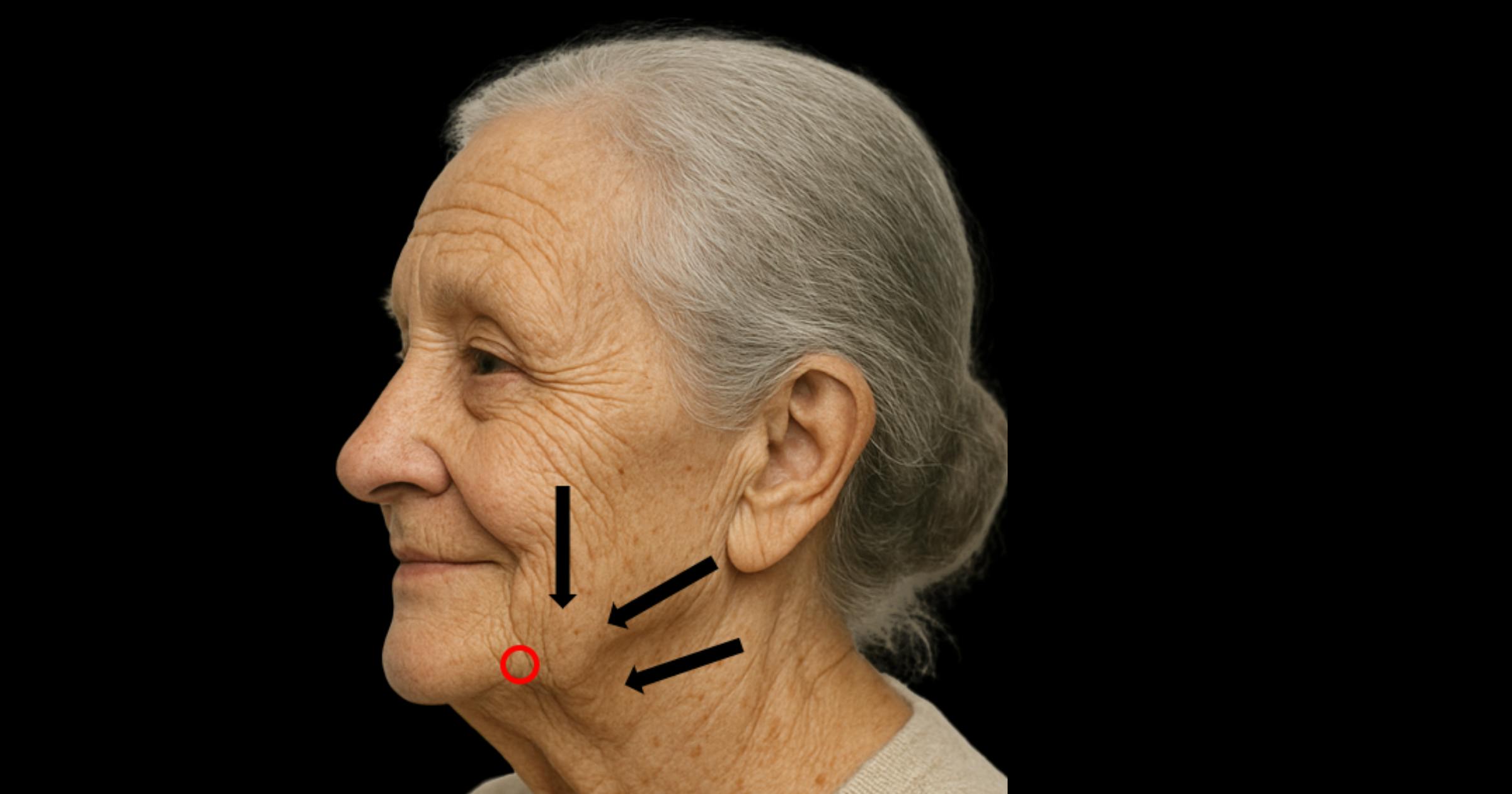
Figure 1: Image of a mature female; red circle is the location of mandibular ligament; black arrows indicate soft tissue descent toward jowls.
Based on the above image, I am sure the question arises that if the mandibular ligament increases in laxity, why do jowls end in this exact location and the skin is tightly adherent to the mandible. The most probable answer would be to reject the old hypothesis and to assume a new one: facial ligaments do not increase in laxity as we age.
To test this new hypothesis and to provide more clarity on the ligament-aging topic, an experimental animal study was conducted in collaboration with the Department of Plastic and Reconstructive Surgery of Guangdong Second Provincial General Hospital, Guangzhou, Guangdong Province in China. The researchers used histologic analyses, collagen-focused immunohistochemical testing, and electron microscopy to compare the properties of zygomatic ligament complex between young, middle-aged, and mature rats. It must be mentioned that this was the first study conducted in a specific setting focusing on an aging rat model for facial ligaments.
The results were confirmatory for what most of us thought: Ligaments do not increase in laxity at older age. Instead, the investigated facial ligaments demonstrated signs of:
1: Increased rigidity (thicker collagen bundles)
2: Higher degree of fibrillation (collagen fibers were more aligned and less disorganized)
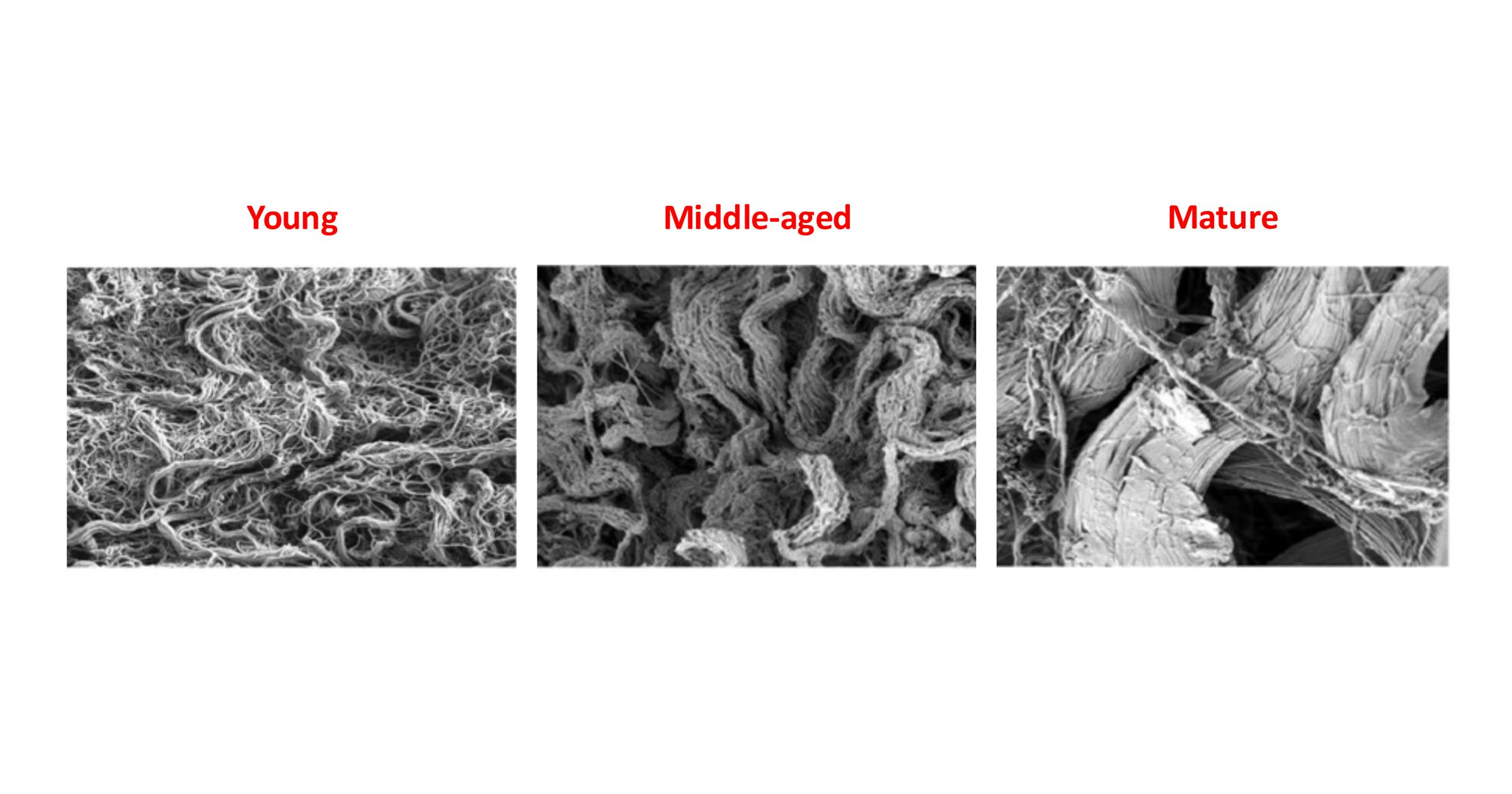
Figure 2: Electron microscopic imaging of the zygomatic ligament complex in rats.
3: Decreased vascularity (signs of microangiopathy)
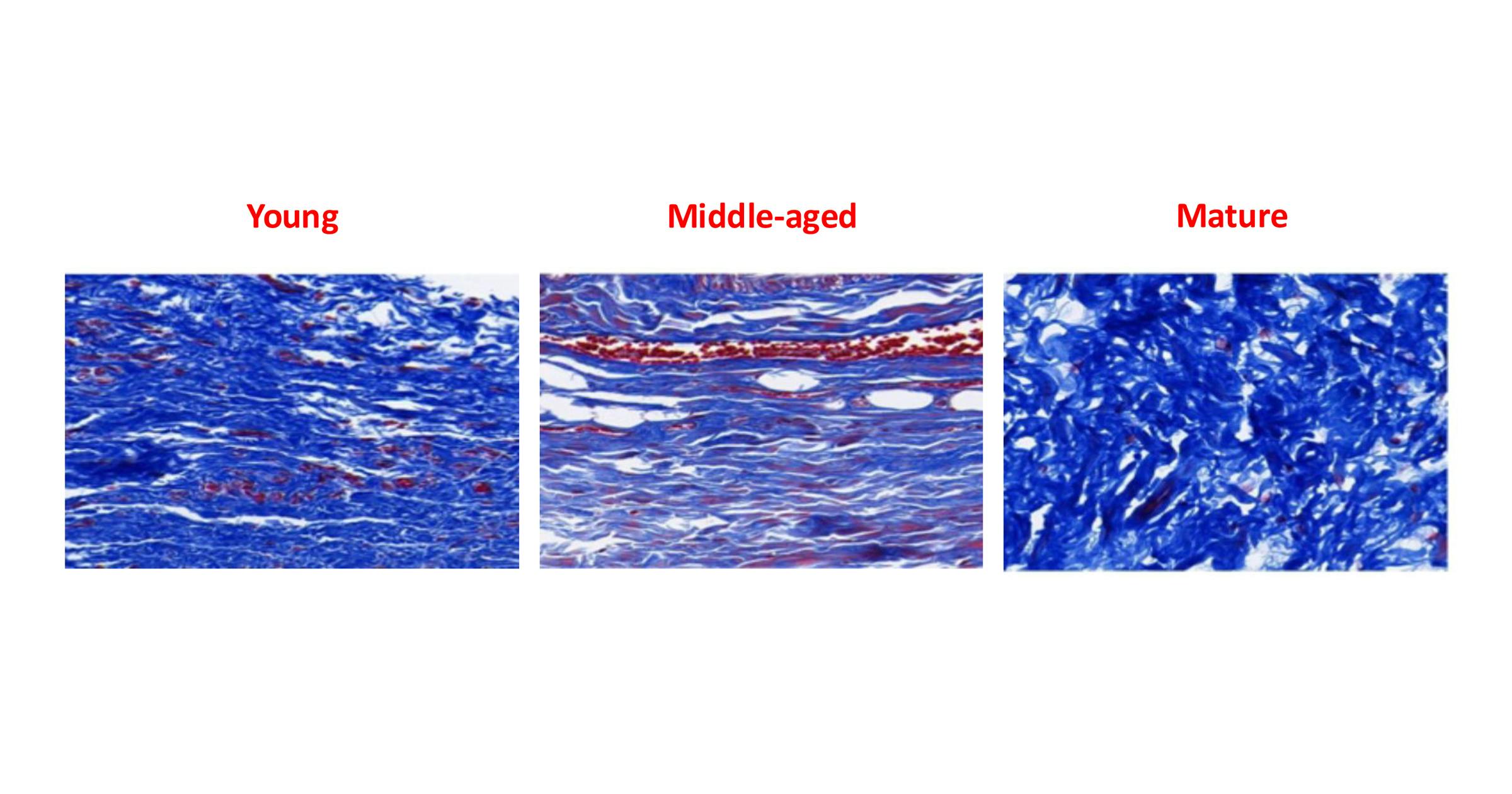
Figure 3: Histologic staining of the zygomatic ligament complex in rats.
All of the above findings explain why the mandibular ligament is a hard stop for jowls and why the depression at the caudal end of the Marionette Line, is always visible, even in mature or obese patients. Because facial ligaments do not increase in laxity as we age but instead increase in their rigidity. This would correspond to the clinical findings observed and would be in line with other age-related changes in the human body.
Join our community for news, offers, and updates on Cotofana Anatomy’s events and resources
Copyright © 2026, Cotofana Anatomy. All rights reserved.