
Overview
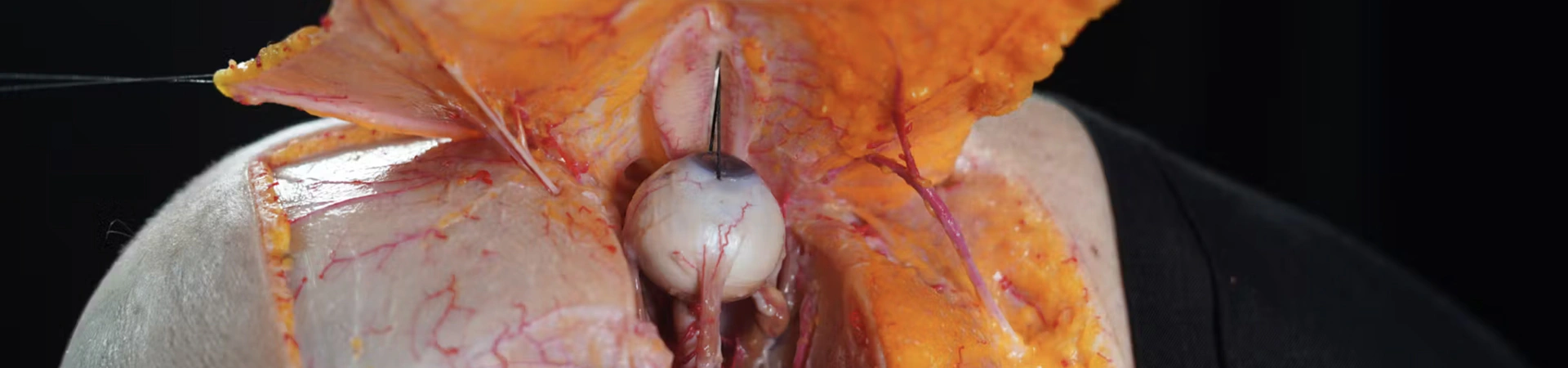
The correction of palpebromalar grooves can be of great importance when trying to ameliorate the signs of facial aging. This can be done with a needle-based injection approach or with a cannula-based approach. The latter has an increased safety profile due to the use of a blunt-tipped device and because of the use of the ligamentous anatomy to guide product placement. Learn in this video about the cannula-based injection technique in a vertical approach coming from inferior.
Treatment type: Soft Tissue Fillers
Facial region: Periorbital
Approach: Cannula Injection Technique
Competency Level: Competent
Course duration: 9 minutes
Course type: Injection simulation on a human body donor performed by Prof. Sebastian Cotofana
Learning Objectives
- Describe the layered anatomy of the lid-cheek junction along with its biomechanical properties
- Appraise the complexities of the arterial and venous vasculature of the lid-cheek junction
- Compare the dangers and benefits of using a deep cannula approach to correct the palpebromalar groove coming from inferior
FAQs
Our online anatomy courses are designed for aesthetic practitioners, including MDs, RNs, PAs, and NPs, as well as medical students, residents, and any healthcare professionals.

Access the full
course library
Unlock the complete Cotofana Anatomy e-learning library with a monthly or annual membership.

Empower your
clinical team
Provide your organisation to the e-learning platform with a tailored Corporate Plan.
Buy this lesson
30-day access
Become a member
Get unlimited access