
The Intermediate Fatty Layer of the Midface
The classic anatomy education that most of us (including myself) received was that the face is composed of facial muscles, nerves, some highly variable vessels and the really hard to dissect dermal envelope. And that’s it, period. There was no knowledge available (at that time) of facial ligaments, facial fat compartments, layers of the face or facial biomechanics.
As the research and the therapeutic interest toward the face grew, new anatomic details were discovered, and new concepts were created which allowed us to better understand the complexities of the human face. Of the various concepts that were proposed, the most popular and nowadays the most accepted one is the concept of the Layers of the Face. This concept is based on the fact that the face is arranged in parallel layers and that these layers are continuous with each other.
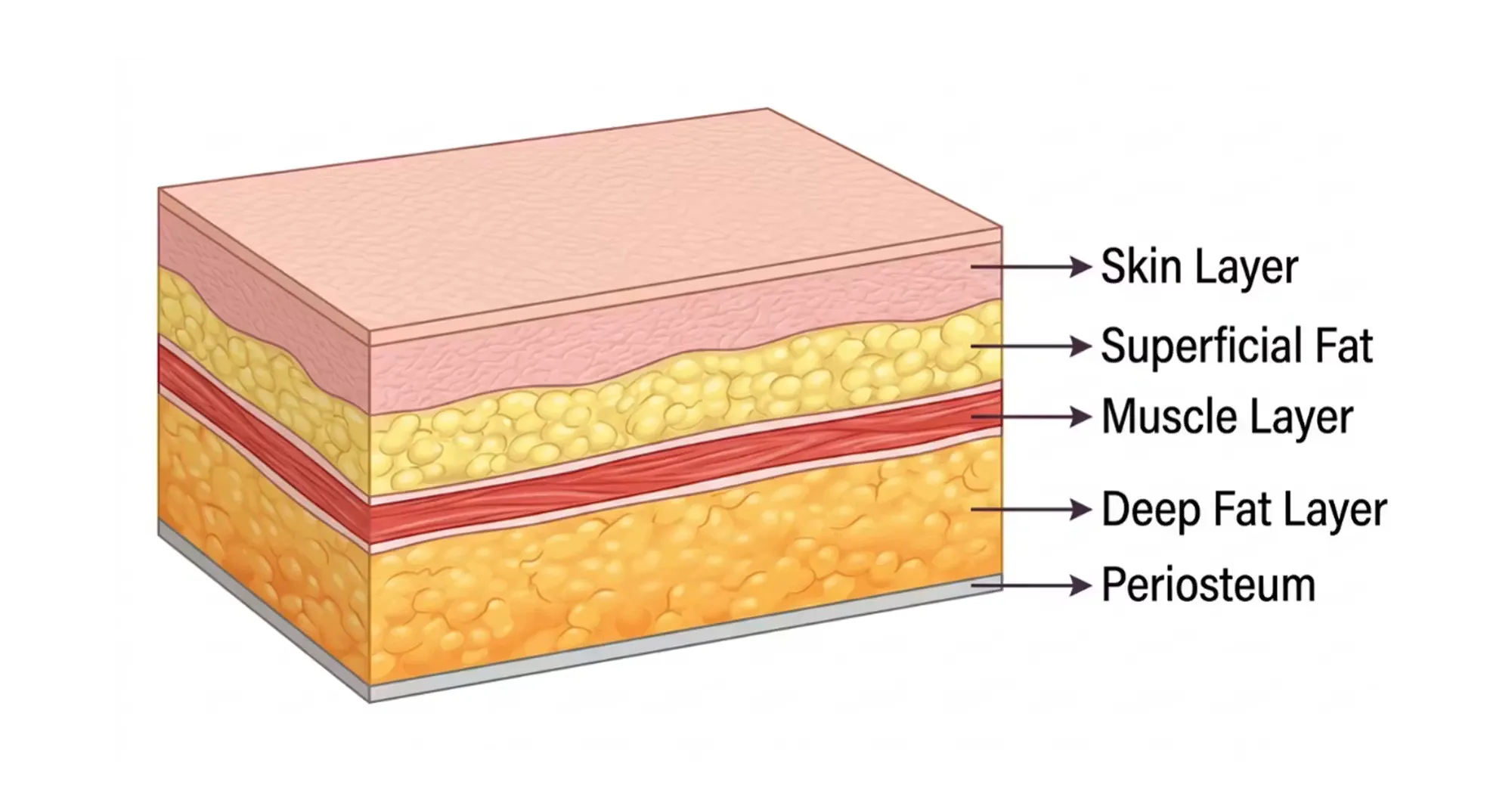
Figure 1: The classic concept of the 5 Layers of the face.
Based on this concept, the following clinical consequences arise:
- The face must be seen as a 3-dimensional entity in which some structures are located deep to other structures despite being in the same 2-dimensional location.
Example: Superficial injections into the lips is OK, even though the superior labial artery is there but in a deeper plane. - The fascial layers are connected and continuous with each other and despite having different names in different facial regions it is still the same plane.
Example: The platysma, the SMAS, the orbicularis oculi muscle, the superficial temporal fascia, the galea aponeurotica, the frontalis muscles are all located in the same plane and are continuous with each other.
The concept of the 5-Layers implies that there are only 2 fatty layers in the face: superficial and deep.
However, detailed anatomic dissections and CT-, MRI- and Ultrasound-based research have revealed that in the midface an intermediate fatty layer is present. This is intermediate fatty layer is not widely known despite well published on. As the name indicates, it is located deep to the superficial fatty layer and superficial to the deep fatty layer. In addition, it is sandwiched between midfacial muscles named orbicularis oculi and levator labii superioris and bounded laterally by the angular vein and medially by the lateral nasal wall.
The official name is deep nasolabial fat and is located inside the premaxillary space.
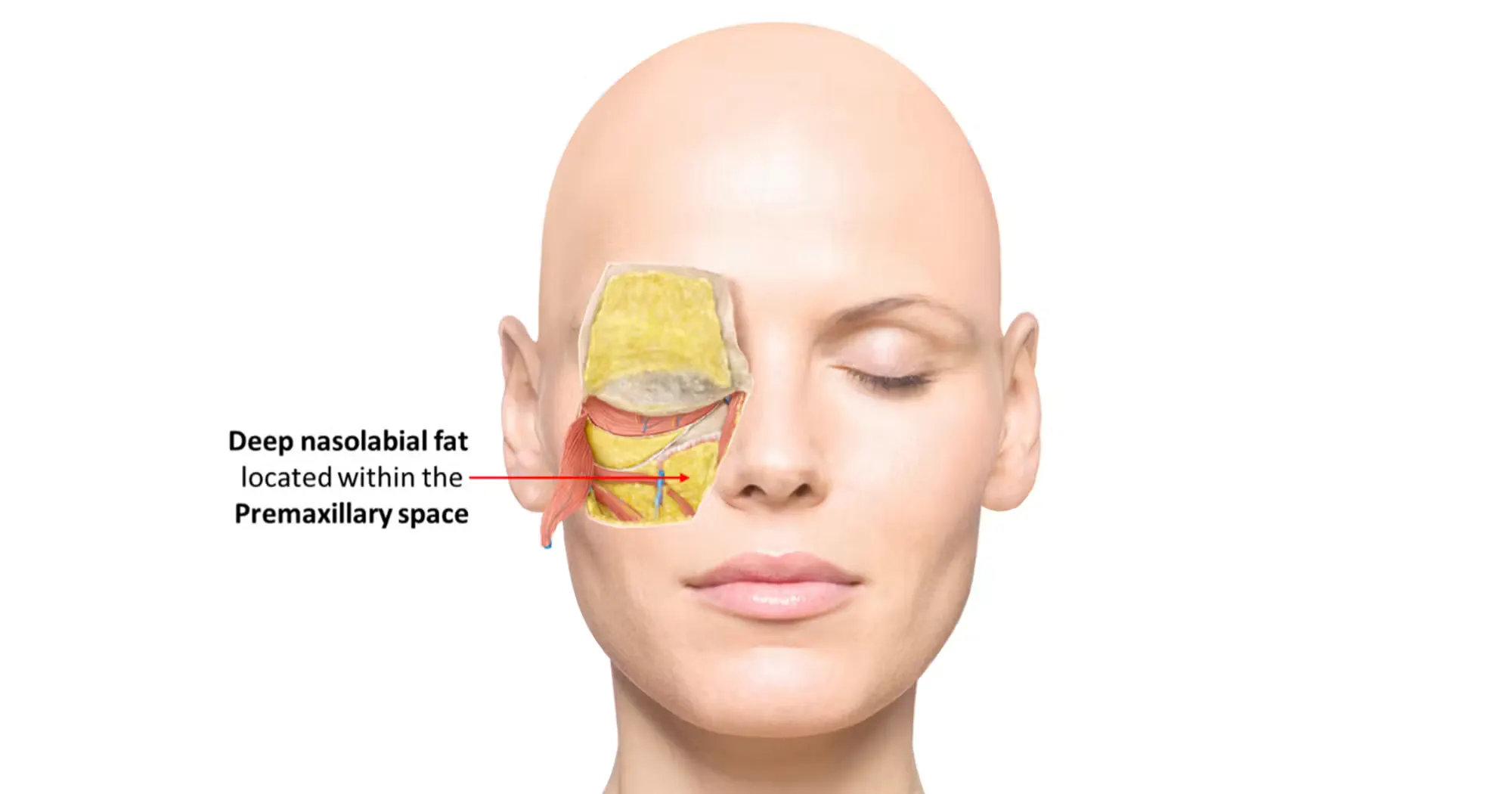
Figure 2: Graphic illustration of the intermediate fat of the medial midface.
Image credit: Cotofana, S., Wesker, K.H., & Kolster, B.C. (2025). Facial Anatomy: Layer by Layer (1st ed.).
Understanding that there is an additional fatty layer in the medial midface explains why deflation of the medial midface can occur so quickly during the aging process and can result clinically in the loss of the ogee curve: if there are 3 fatty layers and each fatty layer loses a certain percentage of its thickness, the overall thickness and volume loos accumulates because there are 3 fatty layers which lose fat at the same time. If there would be only 1 or 2 fatty layers, the changes on the skin surface would be most likely less dramatic.
In addition, knowing the there is an additional fatty layer in the midface that can deflate, creates new opportunities for volumizing strategies which can be deployed in addition to subdermal or supraperiosteal volumizing strategies. For instance, the intermediate cannula injection technique into the medial midface targets exactly this specific intermediate fatty layer. The clinical results are smooth and subtle volume increase which allow for (still) natural facial mobility and expressions.
If you want to learn more about these injection-based volumizing strategies, become a subscriber and gain access to the entire video library.